You are living in Kyoto — or passing through — and something in your body has been bothering you for a while. Maybe you have been carrying it since before you arrived. Maybe it arrived with the luggage.
You search online. You find options. But most of them are in Japanese, and most of them describe something that sounds like massage or chiropractic. You are not sure any of it is what you are looking for.
This post is for you.
What is osteopathy, and why does it matter here?
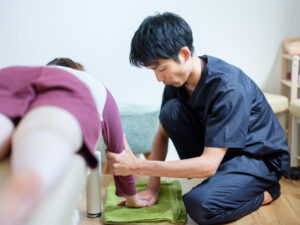
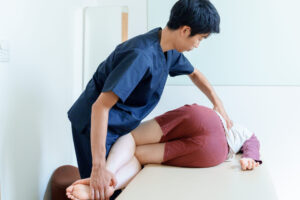
Osteopathy is a form of hands-on medicine that treats the body as a whole. It was developed in the United States in the 1870s by Andrew Taylor Still, a physician who believed that the body has an inherent capacity to regulate and heal itself — and that the role of the practitioner is to remove the obstacles to that process.
In practice, this means we assess posture, movement, tissue quality, and the relationship between structures across the entire body. A shoulder problem may be connected to the diaphragm. A recurring headache may be related to tension at the base of the skull and the upper thoracic spine. A digestive complaint may have a mechanical component in the abdomen that no amount of medication will reach.
We do not focus only on the site of pain. We look for why.
What OQ is, and who we see
Kyoto Osteopathy Center OQ opened in February 2007. We are a small, bilingual clinic in central Kyoto — two practitioners, two floors, fully appointment-based.
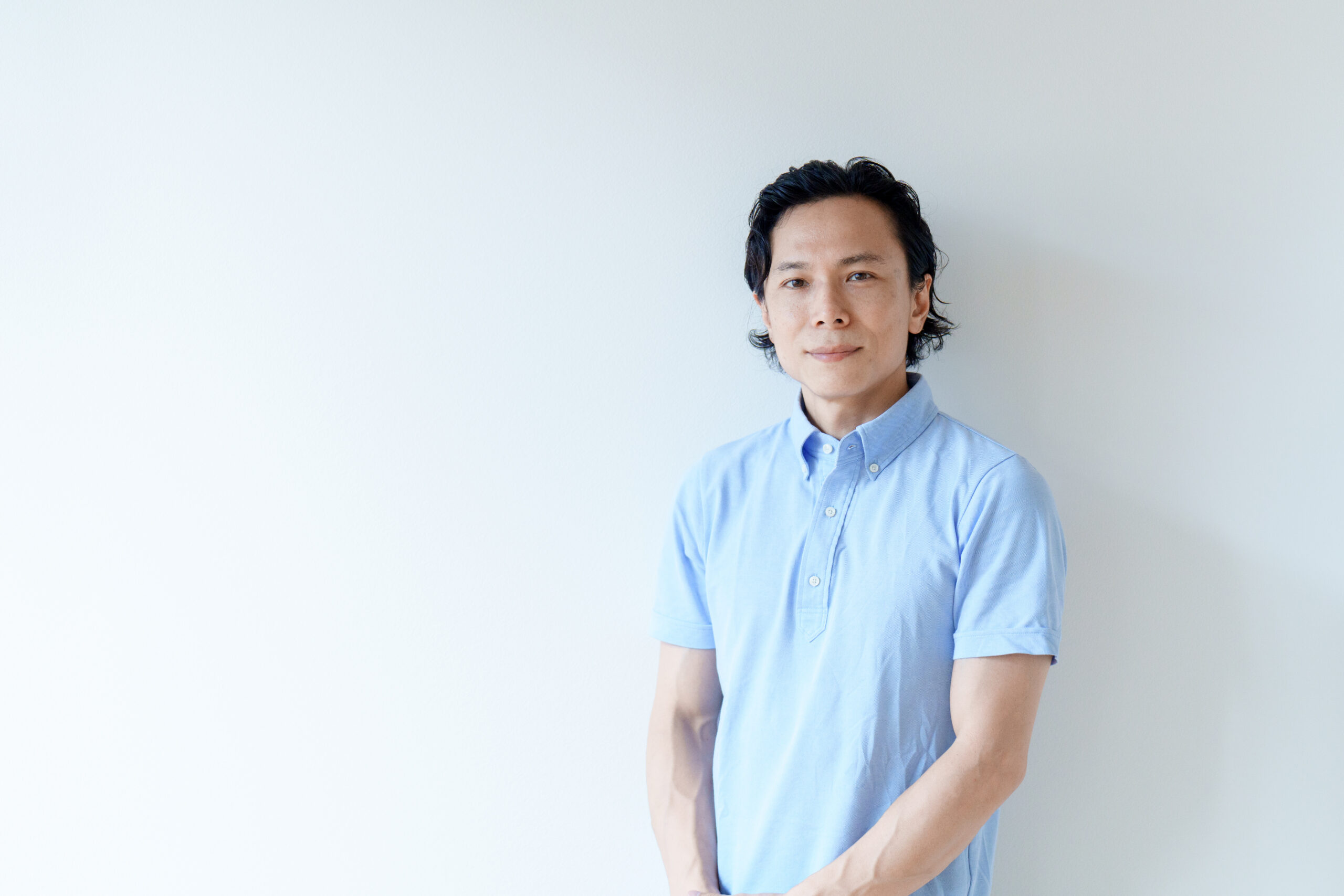
Director Yusuke Sakata holds a BSc in Osteopathy (the UK four-year degree programme) and has trained across more than ten countries over 25 years of clinical practice. His work focuses on paediatrics, pregnancy, women’s health, internal disorders, autoimmune and skin conditions.
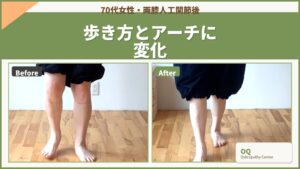
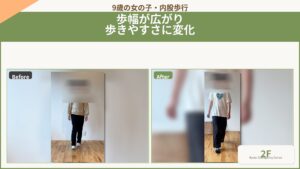
Associate Director Sota Omura is a physiotherapist with a Master’s degree, specialising in post-stroke rehabilitation, hip and knee conditions, lower back pain, gait analysis, and custom insole fitting.
Between us, we see patients across a wide range of ages and presentations: newborns with feeding difficulties, children with developmental concerns, adults with chronic pain or systemic conditions, post-surgical patients, pregnant women, and elderly patients who want to maintain their mobility and independence.
What foreigners ask us most
Is the consultation in English? Yes. Both practitioners can conduct a full consultation in English. We do not need an interpreter.
Do I need a referral? No. You can book directly.
Is it covered by Japanese health insurance? No. Osteopathy in Japan is private practice. First visit: ¥14,300 (Sakata) or ¥11,000 (Omura). We can provide a receipt for travel insurance claims.
I am only in Kyoto for a few days. Is one session worth it? Often, yes. A single session can address acute pain, provide clarity about what is happening structurally, and give you a plan to continue at home. We also see many patients who return each time they visit Kyoto.
Can I book online without a credit card? Yes — contact us via WhatsApp and we will confirm the booking manually. You pay on the day.
A note on what we are not
We are not a massage salon. We are not a sports injury clinic (though we see athletes). We are not offering quick fixes or guaranteed results.
What we are is a clinic where your problem will be taken seriously, assessed carefully, and treated in the context of your whole body — not just the part that hurts.
If you are not sure whether osteopathy is right for your situation, send us a message. We will tell you honestly.
Kyoto Osteopathy Center OQ
466 Shichikencho, Nakagyo-ku, Kyoto
2-minute walk from Omiya Station (Hankyu)
o-q.jp/en

コメント